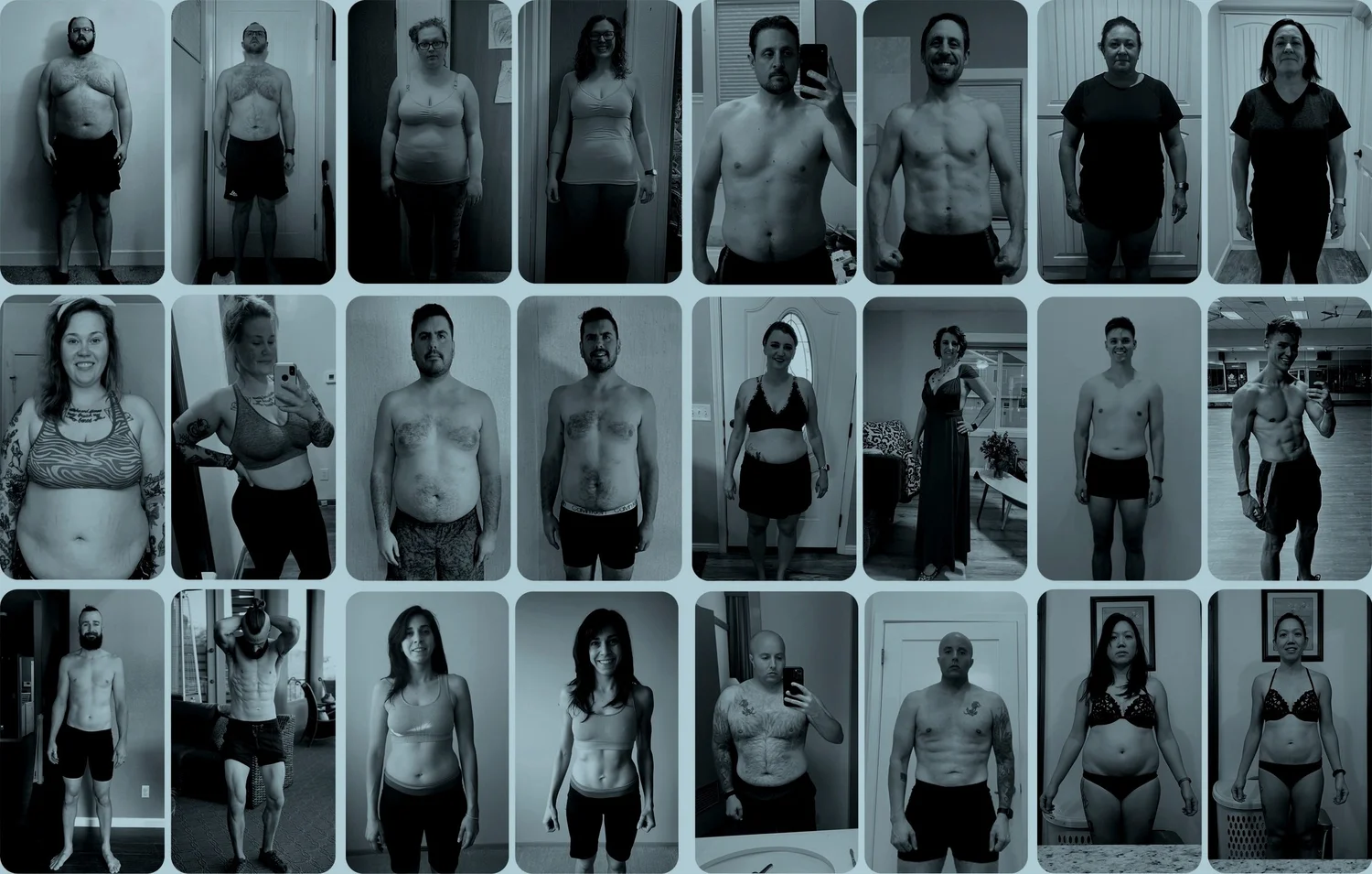
Unlocking Sustainable Weight Loss with a Vegan Diet: Beyond the Basics
Embarking on a weight loss journey can be challenging, but adopting a vegan diet offers a powerful and often sustainable path to achieving your goals. While the first article in our series, vegan diet for fat loss - Article 1, introduced the fundamental benefits, this article dives deeper into the scientific mechanisms and practical strategies that make a vegan diet for fat loss so effective. We’ll explore how plant-based eating can optimize your metabolism, enhance satiety, and support long-term health, moving beyond simply reducing calorie intake to truly transforming your relationship with food.
The Science Behind Vegan Fat Loss: Beyond Just Calories
It’s a common misconception that all calories are equal, or that simply cutting calories is the only secret to fat loss. While a caloric deficit is essential, the composition of those calories and the foods from which they come play a monumental role. A well-planned vegan diet for fat loss leverages specific nutritional characteristics to make this deficit easier to maintain and more effective.
Fiber's Role in Satiety and Digestion
One of the most significant advantages of a plant-based diet is its inherently high fiber content. Unlike animal products, nearly all whole plant foods – fruits, vegetables, legumes, whole grains, nuts, and seeds – are rich in both soluble and insoluble fiber. Fiber contributes to fat loss in several critical ways:
- Increased Satiety: Fiber adds bulk to your meals, making you feel fuller for longer. This reduces the likelihood of overeating or snacking on unhealthy foods between meals.
- Slower Digestion: Soluble fiber forms a gel-like substance in your gut, slowing down the emptying of your stomach and the absorption of nutrients, particularly sugar. This helps stabilize blood sugar levels, preventing energy crashes and subsequent cravings.
- Improved Gut Health: Fiber acts as a prebiotic, feeding beneficial gut bacteria. A healthy gut microbiome is increasingly linked to improved metabolism and weight management.
Incorporating fiber-rich foods like lentils, black beans, oats, berries, and leafy greens into every meal can dramatically impact your hunger levels and overall calorie intake.
Nutrient Density vs. Calorie Density
Whole plant foods generally boast an impressive nutrient-to-calorie ratio. This means you can consume a larger volume of food for fewer calories, packed with vitamins, minerals, and antioxidants, compared to many animal products or processed foods. For example, a large bowl of roasted vegetables with quinoa provides substantial volume and nutrients for a relatively low caloric cost, leaving you feeling satisfied without being overly full or sluggish. This concept is crucial for a sustainable vegan diet for fat loss, as it allows you to eat satisfying meals without feeling deprived.
Understanding Macronutrients in a Vegan Context
When focusing on fat loss, understanding macronutrients (protein, carbohydrates, and fats) within a vegan framework is vital:
- Protein: Essential for muscle preservation during weight loss, protein also has a high thermic effect, meaning your body burns more calories digesting it. Excellent vegan protein sources include lentils, chickpeas, beans, tofu, tempeh, seitan, quinoa, nuts, and seeds. Aim to include a protein source at every meal.
- Complex Carbohydrates: Unlike refined carbs that cause blood sugar spikes, whole grain carbohydrates (oats, brown rice, whole wheat pasta) and starchy vegetables (sweet potatoes, corn) provide sustained energy and fiber. These are crucial for fueling workouts and maintaining energy levels without contributing to fat gain when consumed in appropriate portions.
- Healthy Fats: While calorie-dense, healthy fats (avocado, nuts, seeds, olive oil) are vital for hormone production, nutrient absorption, and satiety. Focus on portion control and choose unsaturated fats over saturated ones.
Crafting Your Vegan Fat Loss Meal Plan: Practical Strategies
Theoretical knowledge is only as good as its practical application. To successfully implement a vegan diet for fat loss, strategic meal planning and smart food choices are paramount.
Prioritizing Whole, Unprocessed Foods
The core principle of any effective weight loss diet, and particularly a vegan one, is to focus on whole, unprocessed foods. While veganism itself can include highly processed items (e.g., some vegan cheeses, mock meats, sugary treats), these often negate the fat loss benefits. Instead, build your diet around:
- Fruits and Vegetables: Eat a wide variety, aiming for at least 5-9 servings daily. They are low in calories, high in fiber and nutrients.
- Legumes: Beans, lentils, chickpeas – powerful sources of protein and fiber.
- Whole Grains: Oats, quinoa, brown rice, farro – provide sustained energy and fiber.
- Nuts and Seeds: In moderation, they offer healthy fats, protein, and fiber.
Limit or avoid refined sugars, white flour products, fried foods, and highly processed vegan alternatives that are often high in sodium, unhealthy fats, and preservatives.
Mastering Portion Control and Calorie Awareness
Even healthy vegan foods can lead to weight gain if consumed in excess. While a whole-foods vegan diet often naturally reduces calorie intake, being mindful of portions is still important. Consider these tips:
- Read Labels: Understand serving sizes, especially for calorie-dense items like nuts, seeds, and oils.
- Use Smaller Plates: A psychological trick to make portions appear larger.
- Listen to Your Body: Eat until satisfied, not stuffed. Practice mindful eating.
- Track for a Period: If you're struggling, temporarily tracking your intake (calories and macros) can provide valuable insights into your eating habits. This isn't about rigid counting forever but learning what a balanced portion looks like.
Smart Snacking for Sustained Energy
Strategic snacking can prevent overeating at main meals by keeping hunger at bay. Opt for nutrient-dense, low-calorie vegan snacks:
- Fresh fruit (apples, berries, oranges)
- Vegetable sticks with hummus or a light plant-based dip
- A handful of almonds or walnuts (portioned carefully)
- Edamame
- Rice cakes with a thin layer of avocado or nut butter
Overcoming Common Challenges on a Vegan Fat Loss Journey
While the rewards are significant, navigating a vegan diet for fat loss can present unique challenges. Awareness and preparation are key to overcoming them.
Ensuring Adequate Protein Intake
One of the most common concerns for new vegans is protein. However, with thoughtful planning, it's entirely possible to meet your protein needs, even for fat loss goals. Combine various plant protein sources throughout the day:
- Legumes: Lentils, chickpeas, black beans, kidney beans.
- Soy Products: Tofu, tempeh, edamame, fortified soy milk.
- Whole Grains: Quinoa, oats, brown rice, whole wheat bread/pasta.
- Nuts and Seeds: Almonds, walnuts, chia seeds, flax seeds, hemp seeds.
- Plant-Based Protein Powders: Pea, rice, hemp protein can be useful supplements, especially post-workout.
Aim for 20-30 grams of protein per meal to maximize satiety and muscle preservation.
Avoiding "Hidden" Calories
Even on a plant-based diet, hidden calories can sabotage your fat loss efforts. Be wary of:
- Oils: While healthy, oils are very calorie-dense. Measure them or use cooking methods that require less oil (e.g., baking, air frying, steaming).
- Sauces and Dressings: Many pre-made vegan sauces, dressings, and condiments are loaded with sugar, unhealthy fats, and sodium. Opt for homemade versions with minimal oil, or choose oil-free alternatives.
- Processed Vegan Alternatives: Vegan "junk food" like highly processed vegan burgers, sausages, or cheeses, while convenient, can be high in calories, unhealthy fats, and additives. These should be consumed sparingly, if at all, during a fat loss phase.
Staying Motivated and Consistent
Consistency is the bedrock of any successful fat loss plan. To stay motivated:
- Set Realistic Goals: Aim for gradual, sustainable fat loss (1-2 pounds per week).
- Track Progress: Beyond the scale, consider body measurements, how your clothes fit, or energy levels.
- Find Support: Connect with online communities, friends, or a coach who understands plant-based eating.
- Celebrate Small Victories: Acknowledge your efforts and progress, no matter how small.
Maximizing Results: Beyond Diet for Sustainable Fat Loss
While a powerful tool, a vegan diet for fat loss is most effective when combined with other healthy lifestyle factors. True sustainable fat loss is holistic.
The Importance of Hydration
Water is often overlooked but crucial for metabolism and fat loss. Staying adequately hydrated can:
- Boost Metabolism: Water is involved in countless metabolic processes.
- Reduce Hunger: Sometimes thirst is mistaken for hunger. Drinking water before meals can help reduce overall intake.
- Aid Digestion: Fiber needs water to move efficiently through your digestive system.
Aim for at least 8 glasses (2 liters) of water daily, more if you're exercising or in a hot climate.
Incorporating Physical Activity
Exercise complements dietary changes by burning calories, building muscle (which boosts metabolism), and improving overall health. A combination of the following is ideal:
- Cardio: Activities like brisk walking, jogging, cycling, or swimming improve cardiovascular health and burn calories.
- Strength Training: Lifting weights or bodyweight exercises build lean muscle mass. Muscle tissue burns more calories at rest than fat tissue, making it a critical component of long-term fat loss.
- Flexibility and Balance: Yoga or Pilates can improve mobility, reduce stress, and strengthen core muscles.
Stress Management and Sleep Quality
These often-neglected factors significantly impact fat loss:
- Stress: Chronic stress elevates cortisol levels, which can promote fat storage, especially around the abdomen, and increase cravings for unhealthy foods. Incorporate stress-reducing activities like meditation, deep breathing, or spending time in nature.
- Sleep: Poor sleep disrupts hormones that regulate appetite (ghrelin and leptin), leading to increased hunger and cravings. Aim for 7-9 hours of quality sleep per night.
By integrating these lifestyle components, you build a robust foundation for lasting health and successful fat loss. For more advanced strategies and long-term maintenance, be sure to check out vegan diet for fat loss - Article 3.
Conclusion
The journey to fat loss on a vegan diet is a holistic one, encompassing smart food choices, mindful eating, and a healthy lifestyle. By understanding the science behind fiber, nutrient density, and macronutrients, and by applying practical strategies like prioritizing whole foods and managing portions, you can unlock the full potential of a vegan diet for fat loss. Remember to address challenges like protein intake and hidden calories, and to bolster your efforts with adequate hydration, regular exercise, and stress management. With dedication and the right approach, a well-planned vegan diet can be an incredibly powerful and sustainable tool for achieving your fat loss goals and fostering overall well-being.
